Pilates Isn't Stretching: The Strength Hiding in the Slow
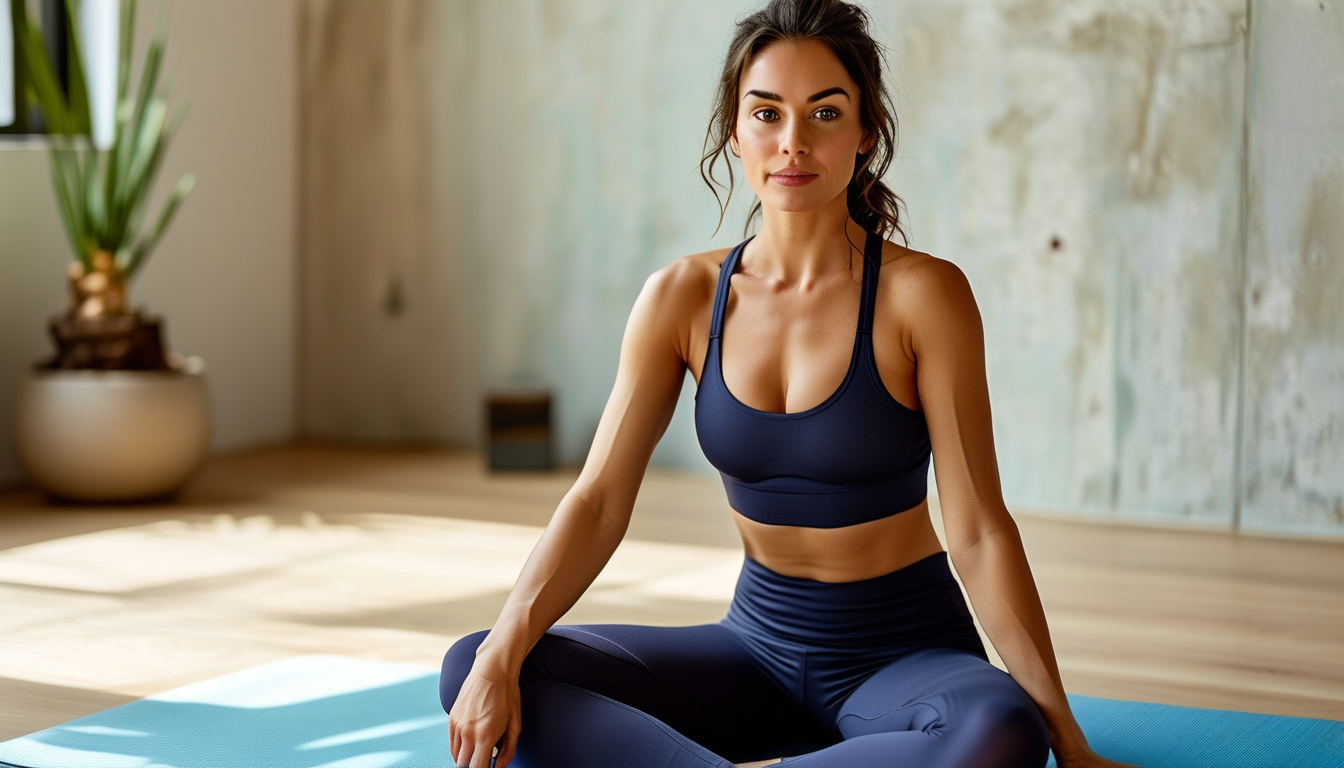
Pilates’ public image — graceful, gentle, flexible — undersells its actual product: strength, built at controlled tempo in deep stabilizers weights rarely reach. Ask anyone mid-teaser. The slow was never the easy version; it was the honest one.
The Control Currency
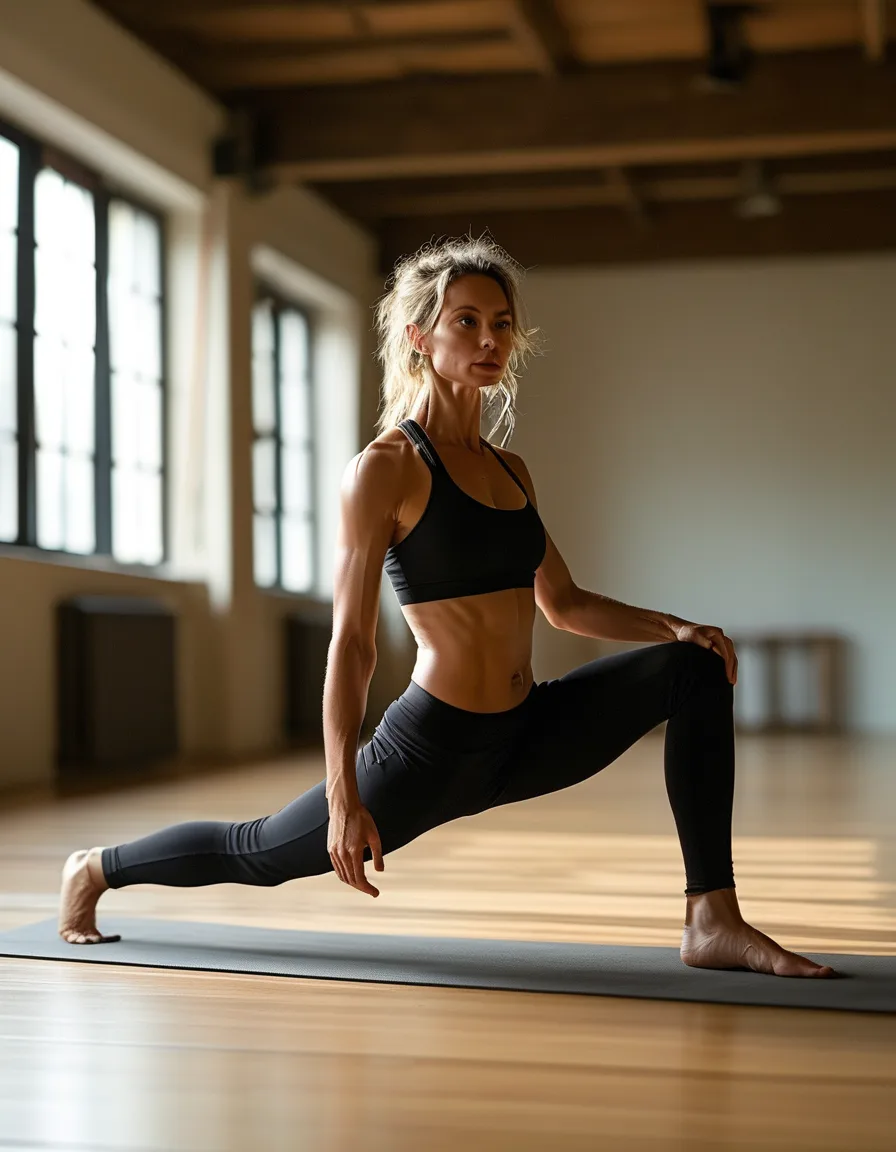
Pilates loads muscles by removing momentum: every movement performed slowly, precisely, through full range — no swing, no bounce, nowhere to hide. The same physics as tempo lifting, applied to the body’s deep layer. ‘It’s just mat work’ survives exactly one roll-up attempt.
The Deep Layer
The method targets what mirrors miss: transverse abdominis, pelvic floor, deep spinal stabilizers, the shoulder-blade crew — the scaffolding muscles that make the show muscles usable. Lifters who add Pilates report the transfer immediately: heavier lifts on a stabler chassis.

The Flexibility Footnote
Pilates lengthens through strengthening — moving under control at range end builds usable flexibility (mobility, technically) rather than passive stretch. The graceful look is strength wearing fluidity: dancers made it famous for exactly this reason.
The Programming Slot
Pilates slots as strength-adjacent, not stretch-adjacent: 1-2 weekly sessions alongside lifting (the stabilizer complement), or as the strength anchor for low-impact programs. The method asks for precision instead of plates — some days, precision is the heavier load.
Momentum removed, deep layer loaded, flexibility as a strength side effect. Pilates was never the stretching class next to the real workout — it was the real workout, whispering.
Keep Reading
This article is for general informational and styling purposes only. Fit, sizing, and product availability may vary.