What to Wear to Pilates (And Why Grip Socks Matter)
You booked your first pilates class, and now you’re staring at your drawer wondering if your baggy gym tee will do. Short answer: it won’t, and there’s a genuinely good reason. Pilates has a few outfit rules that actually affect how well you can move.
Here’s what to wear so you’re comfortable, covered, and not fighting your own clothes.
Rule #1: Fitted, Not Baggy
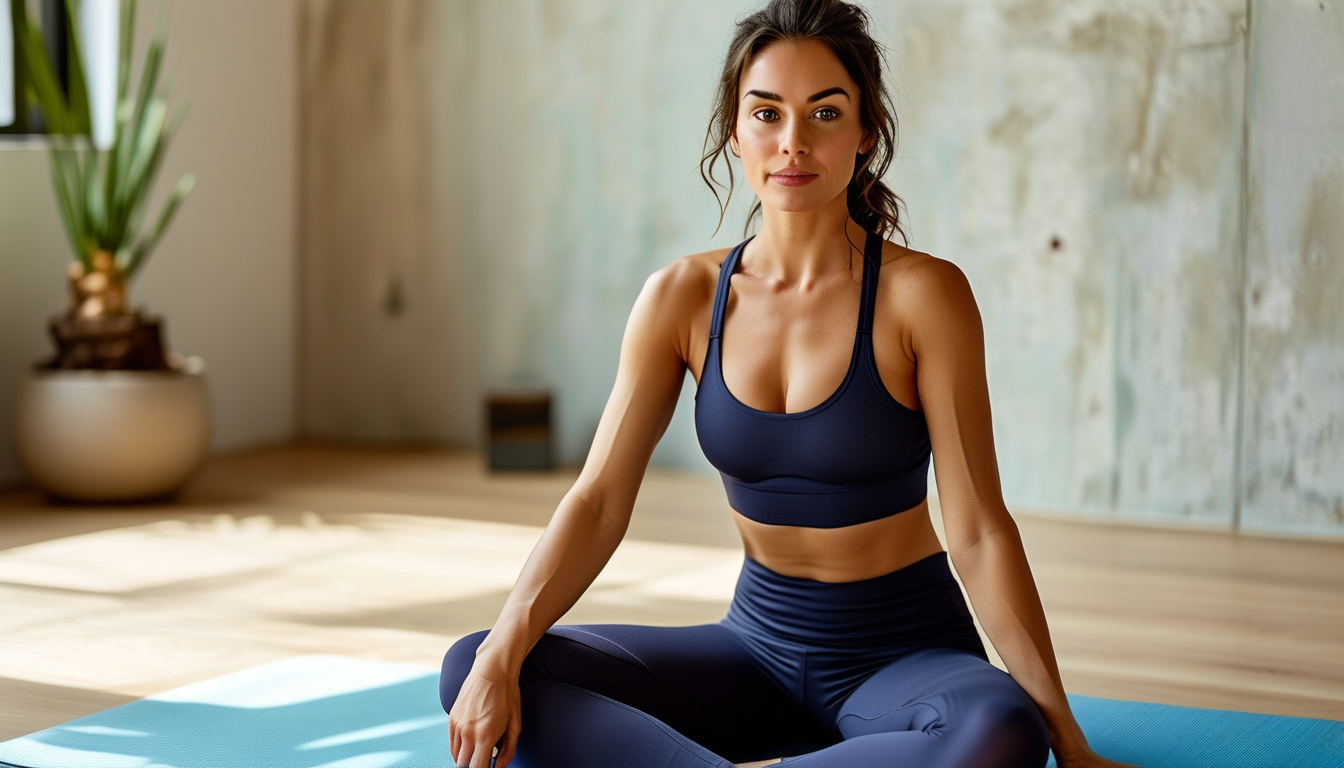
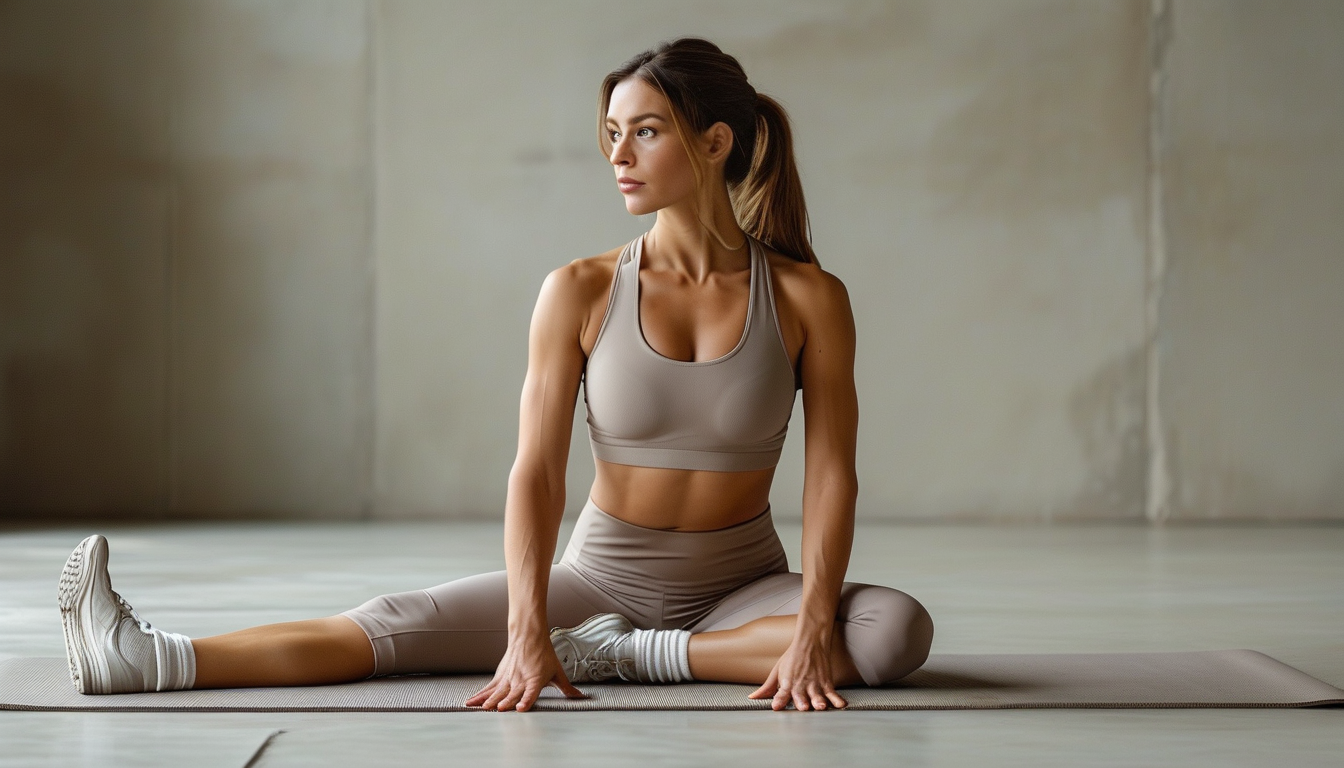
This is the big one. In pilates you spend a lot of time upside down, inverted, and lying back — and a loose top will slide right up over your face. Not the vibe. Fitted, stretchy pieces stay put and let the instructor see your alignment.
The Ideal Pilates Outfit
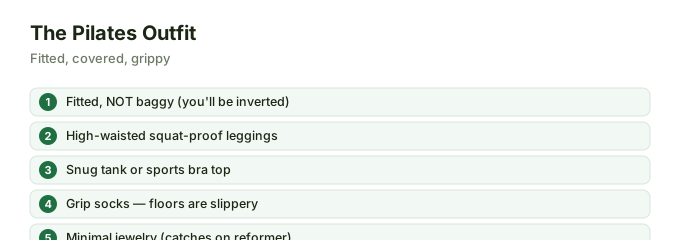
- High-waisted leggings — they stay put through every roll and stretch (no waistband tug-of-war). Squat-proof is a must.
- A fitted tank or sports bra top — support without excess fabric flapping around.
- Grip socks — more on these below (they’re non-negotiable).
- Minimal jewelry — dangly stuff catches on the reformer.
Why Grip Socks Are a Must
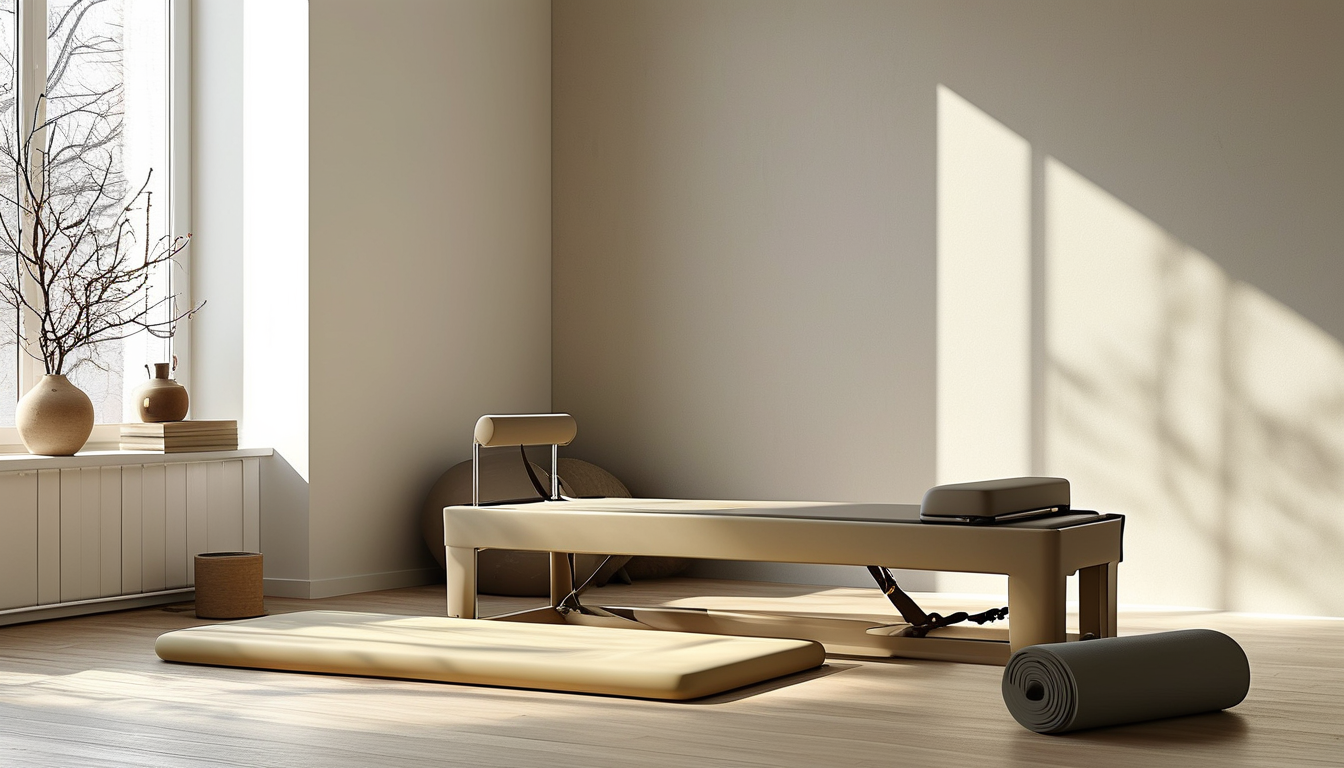
Here’s the thing nobody warns you about: reformer carriages and studio floors are slippery. Grip socks (the ones with rubber dots on the sole) keep your feet planted so you don’t slide around mid-move. Many studios actually require them for hygiene and safety. Bare feet slip; regular socks slip more. Grip socks = stability.
Comfort Tips
- Breathable fabric — you’ll warm up more than you expect.
- Nothing that digs — you’re bending and folding constantly.
- Layers you can ditch — arrive warm, peel down as you go.
Bottom Line
Fitted high-waisted leggings, a snug top, and grip socks — that’s the whole pilates uniform. Skip the baggy tee (it’ll end up over your head) and grab those grippy socks (your feet will thank you on the reformer). Dressed right, you can finally focus on the moves, not your clothes.
Keep Reading
This article is for general informational and styling purposes only. Fit, sizing, and product availability may vary.